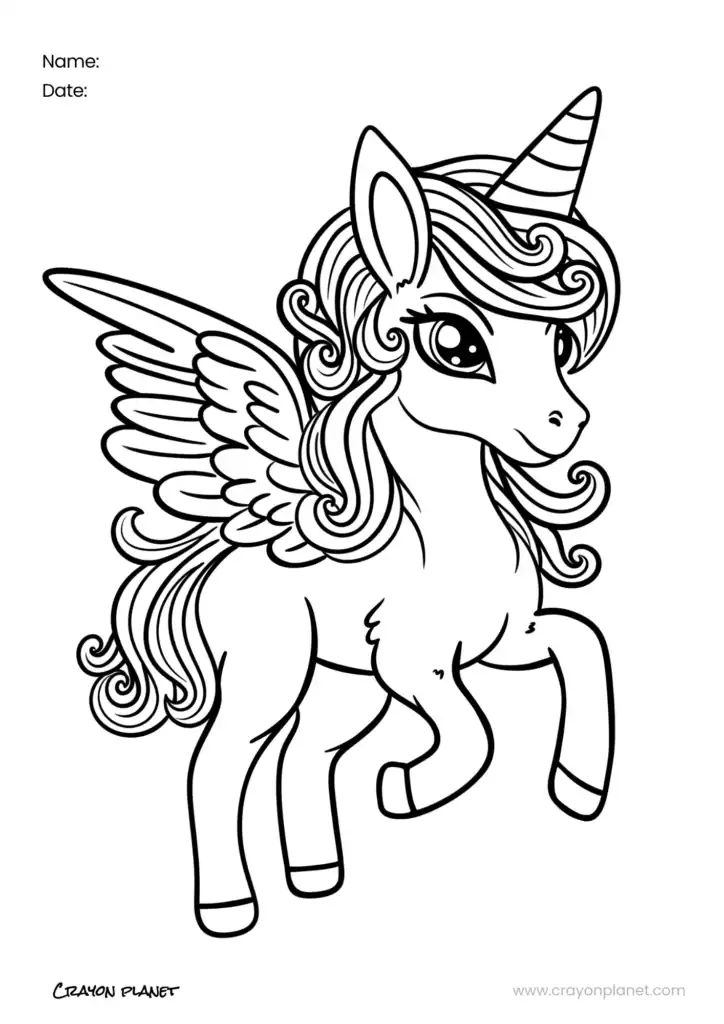
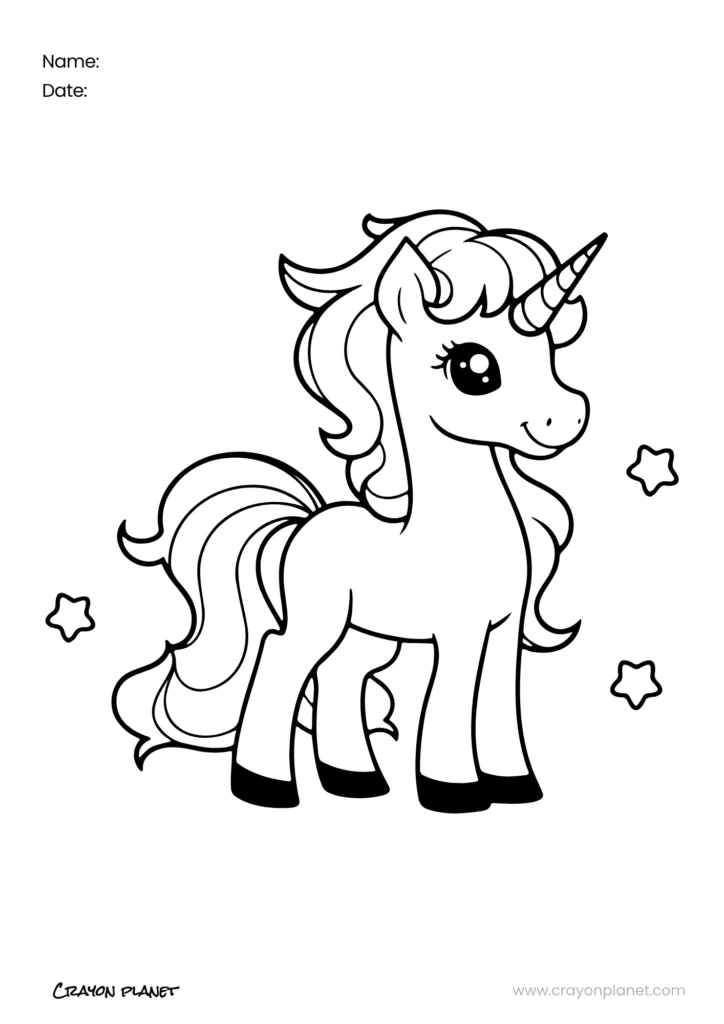
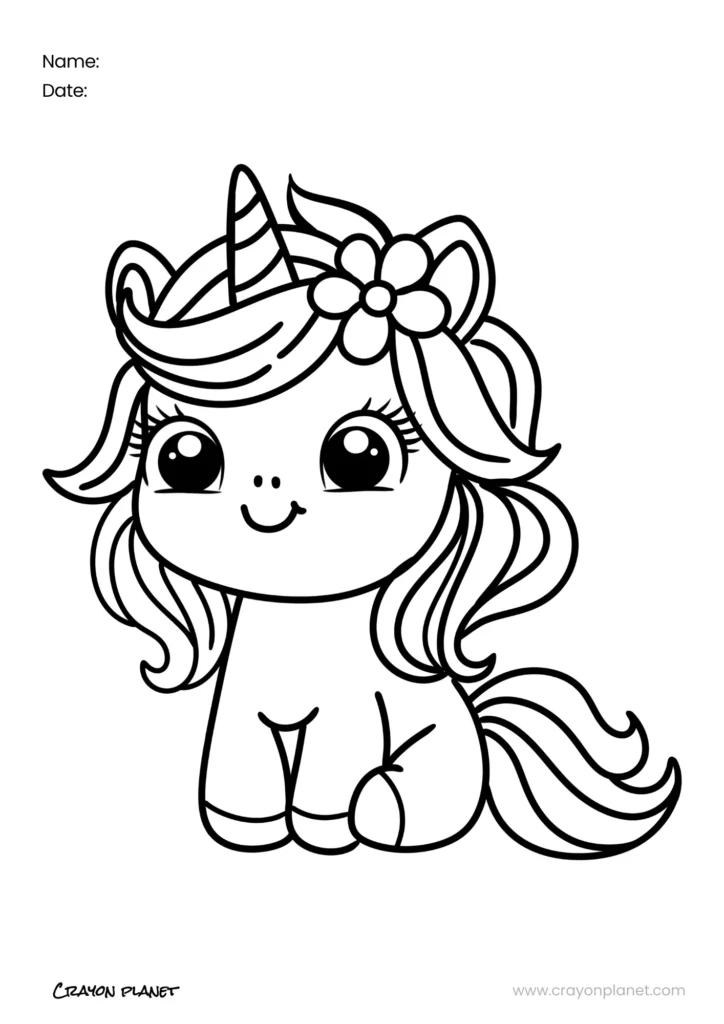
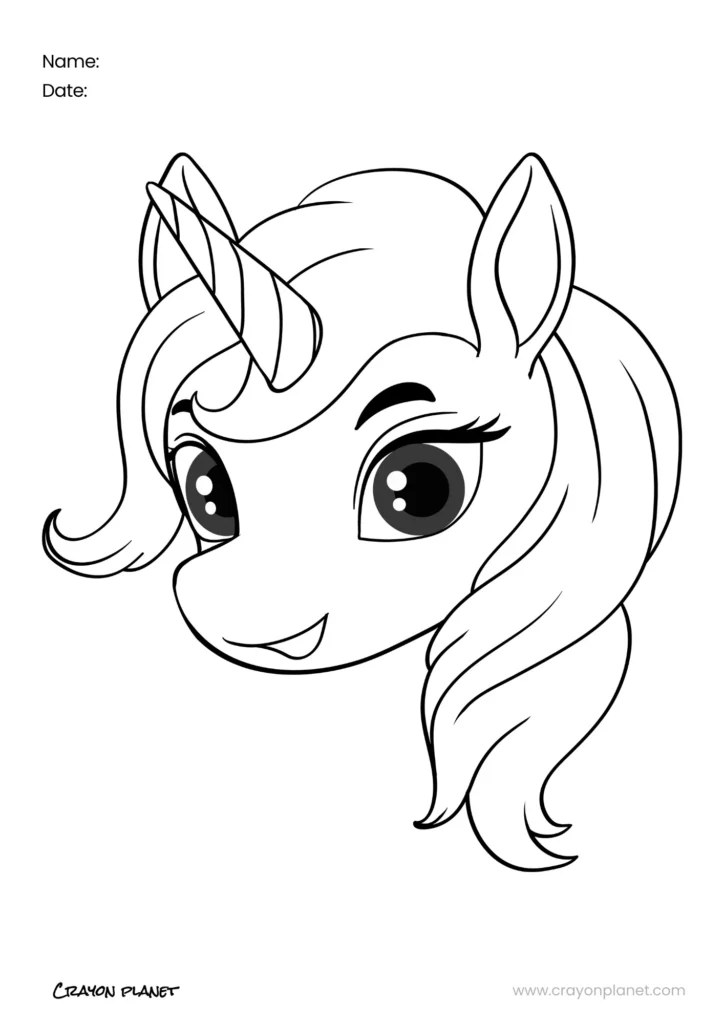
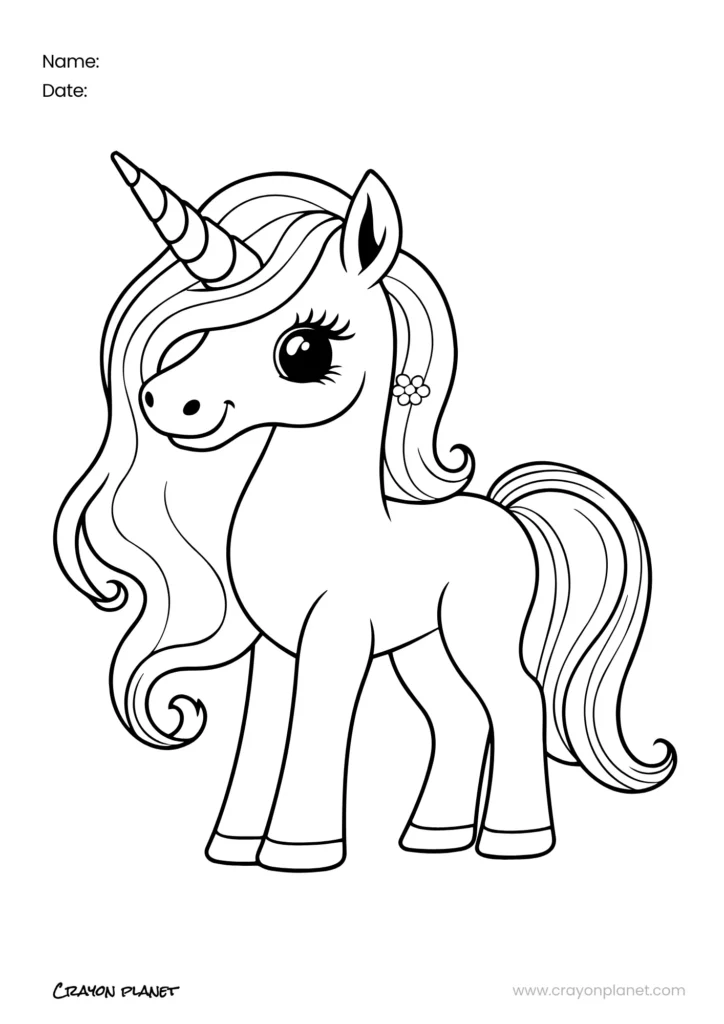
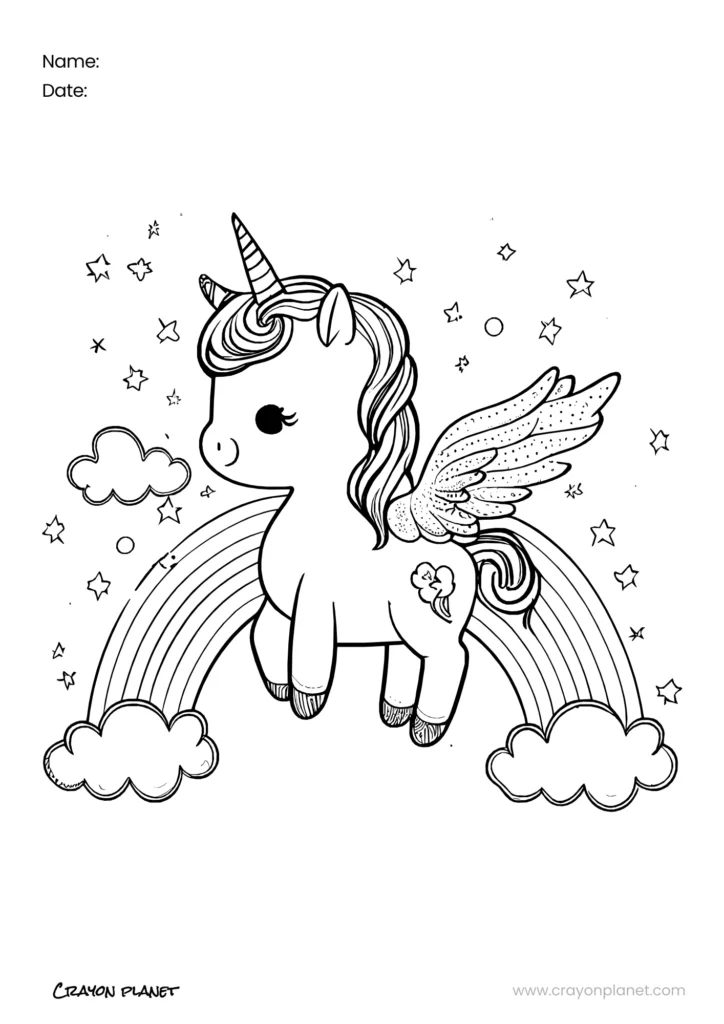
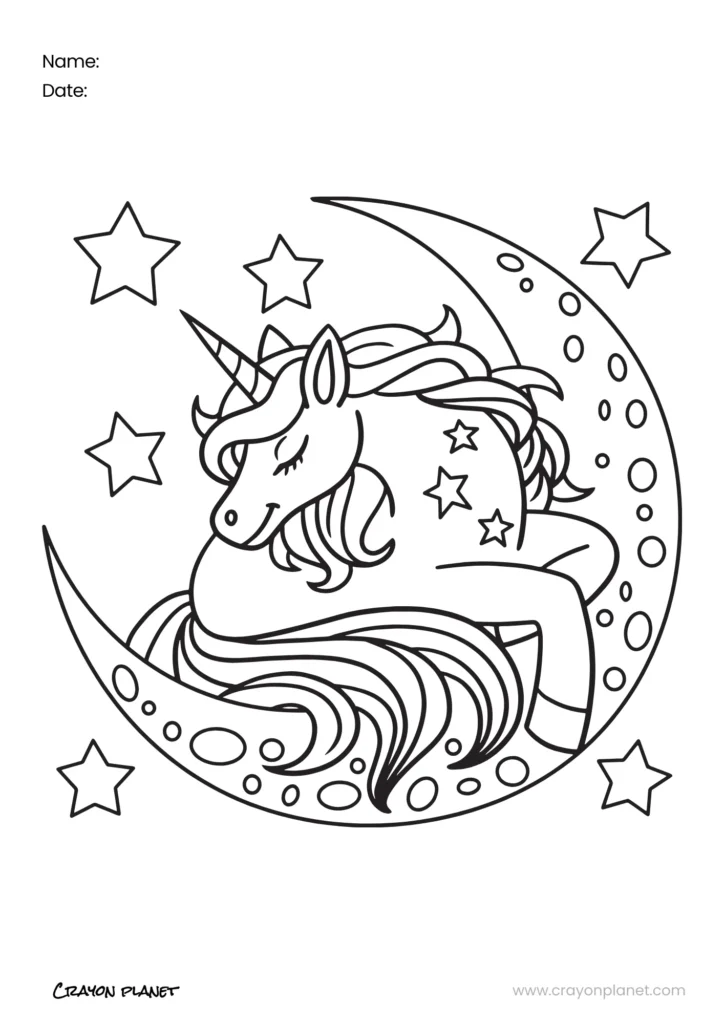
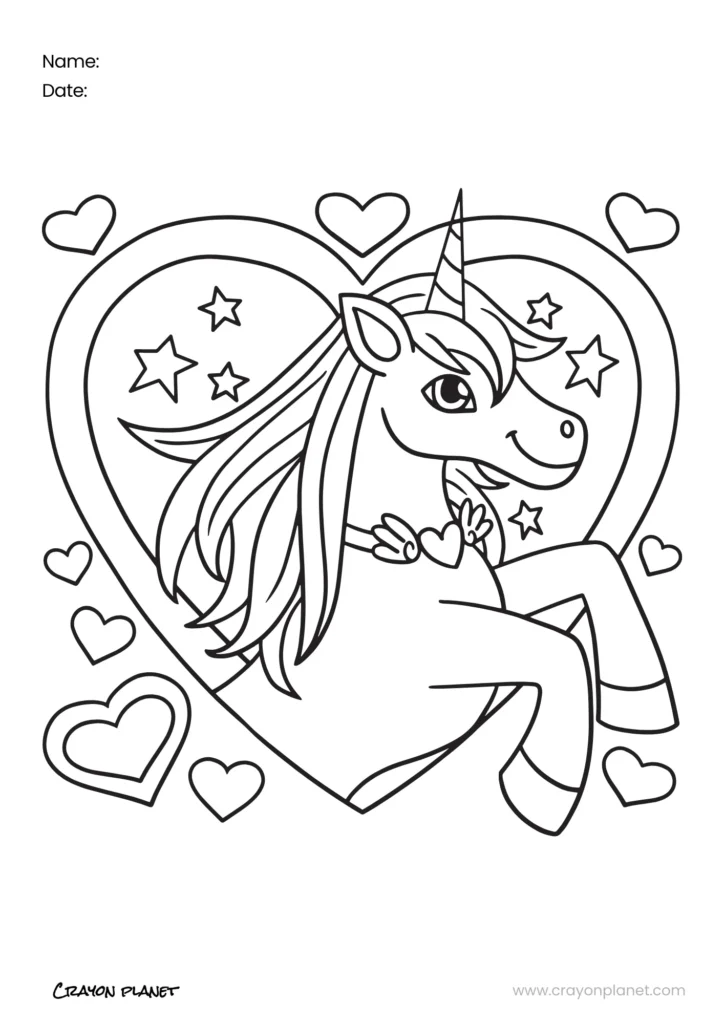
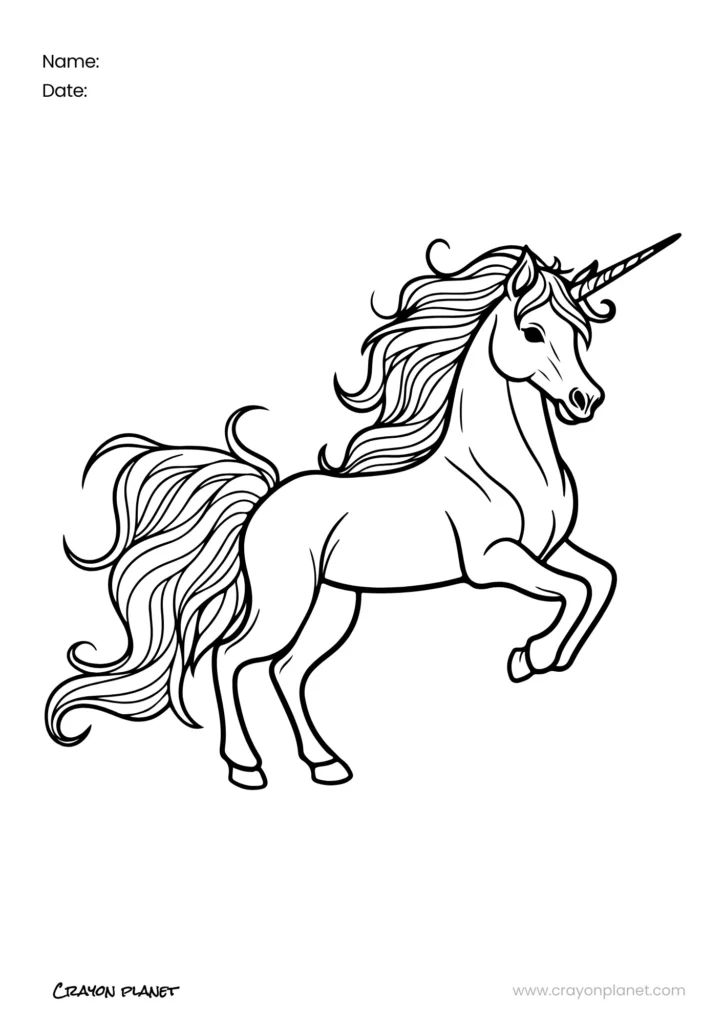
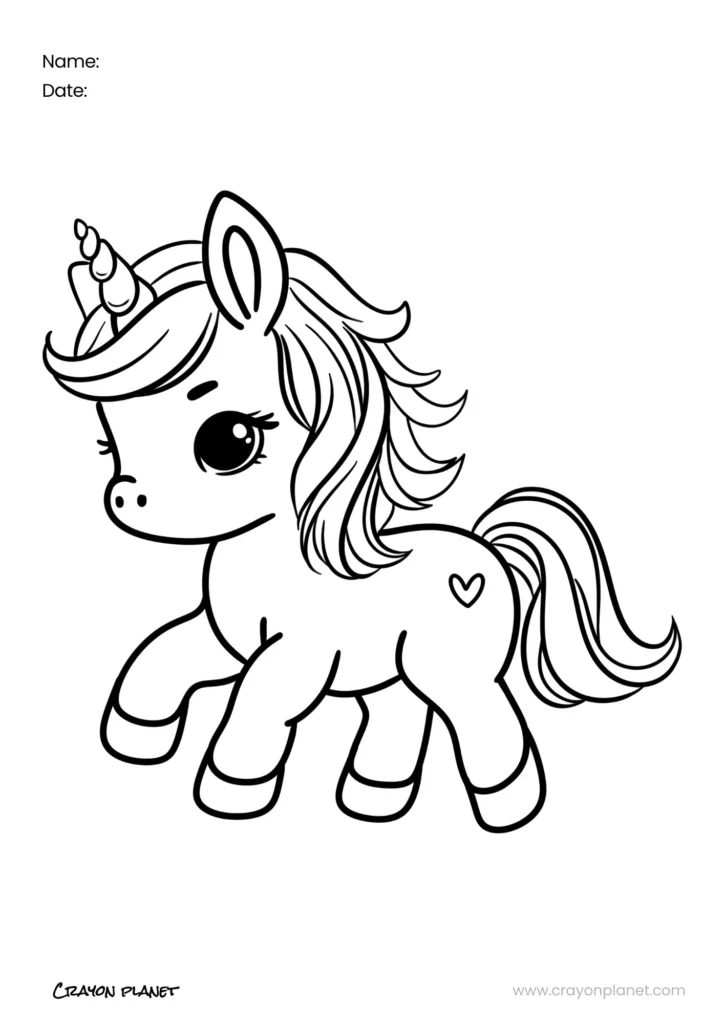
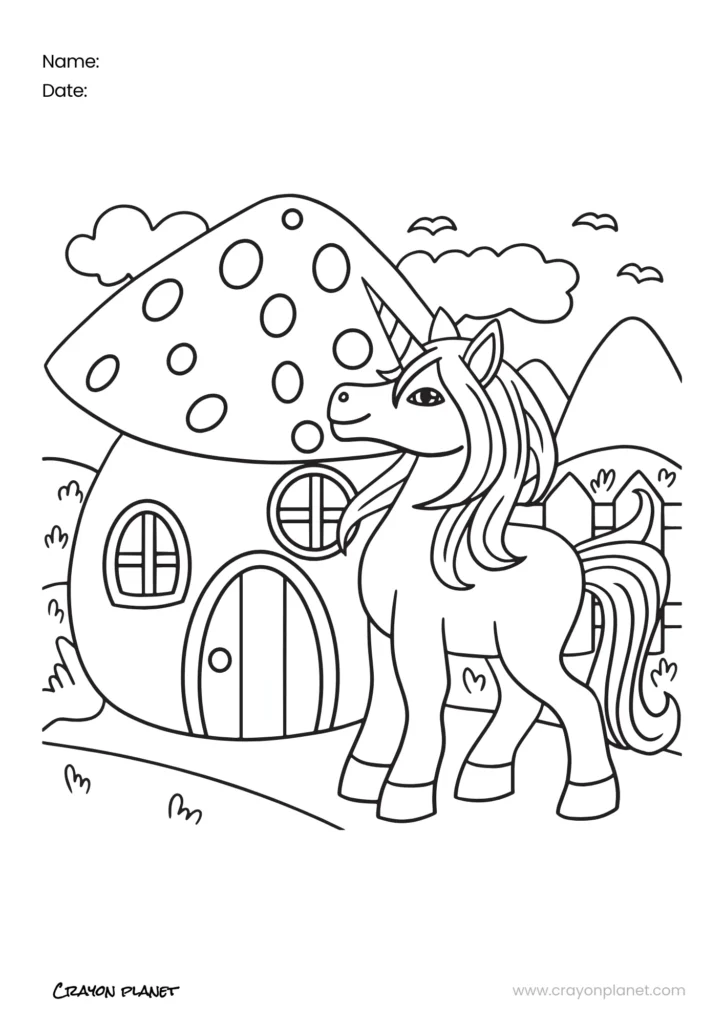
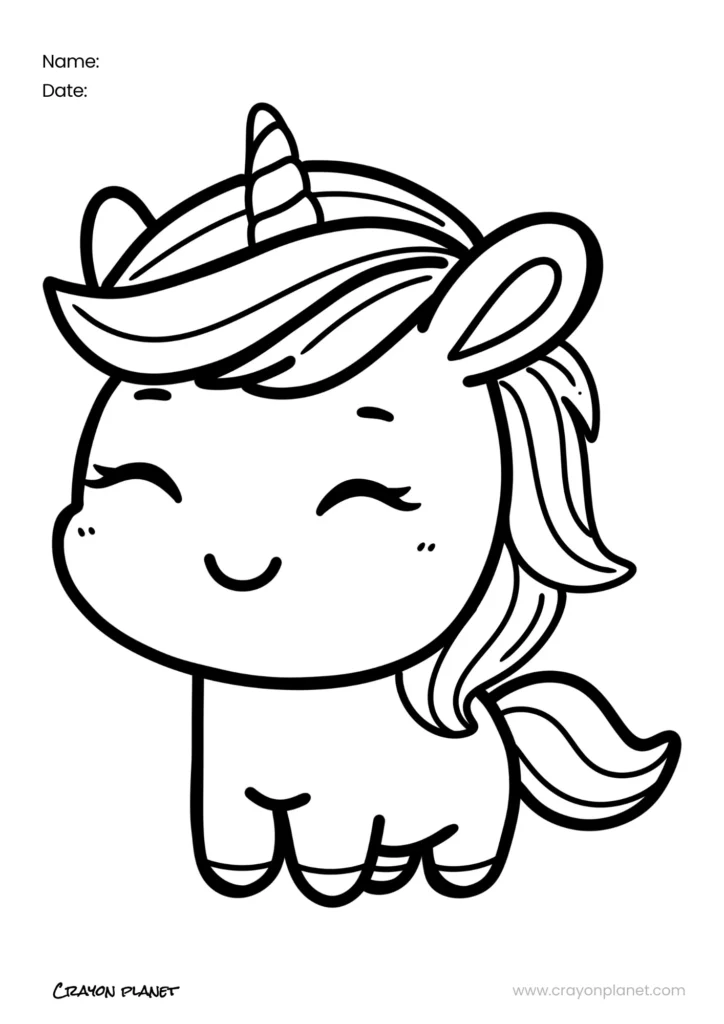
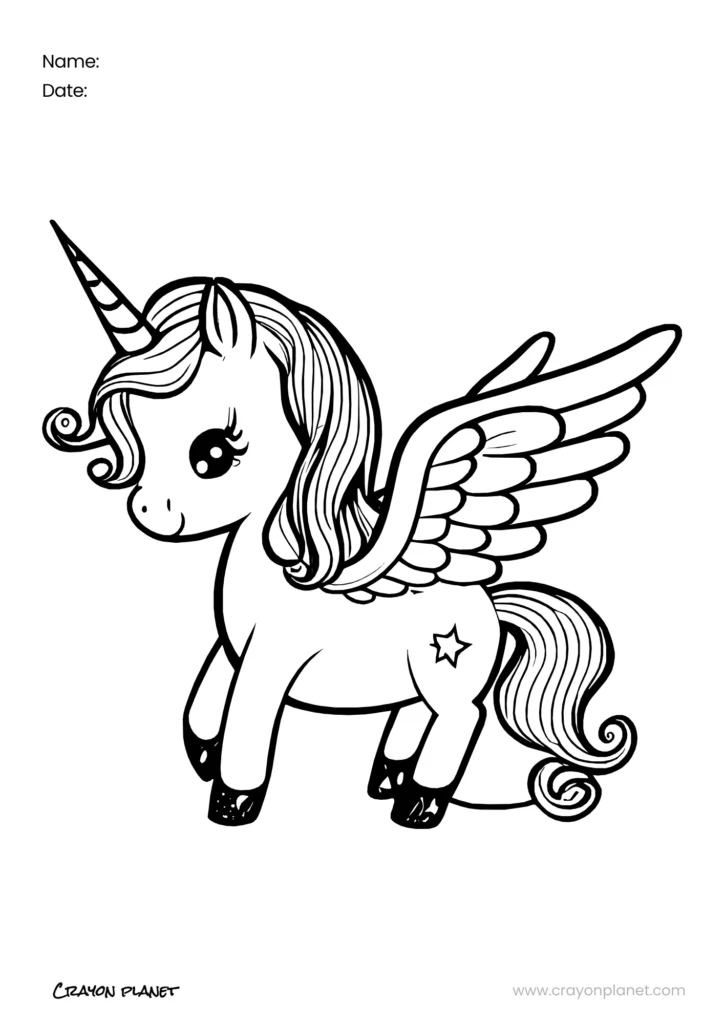
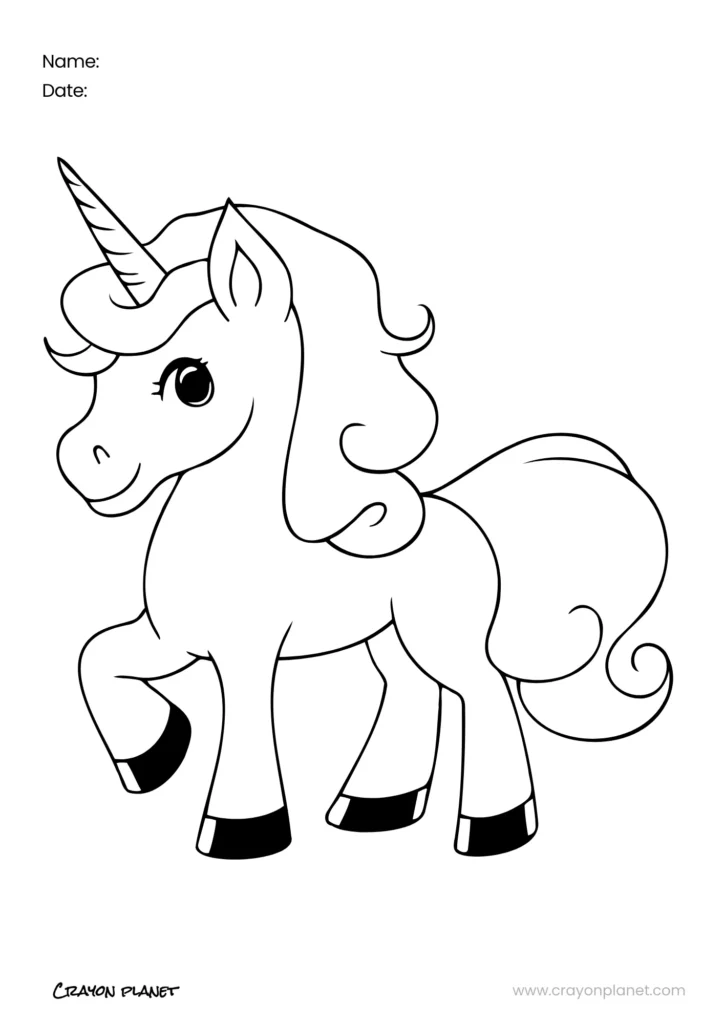
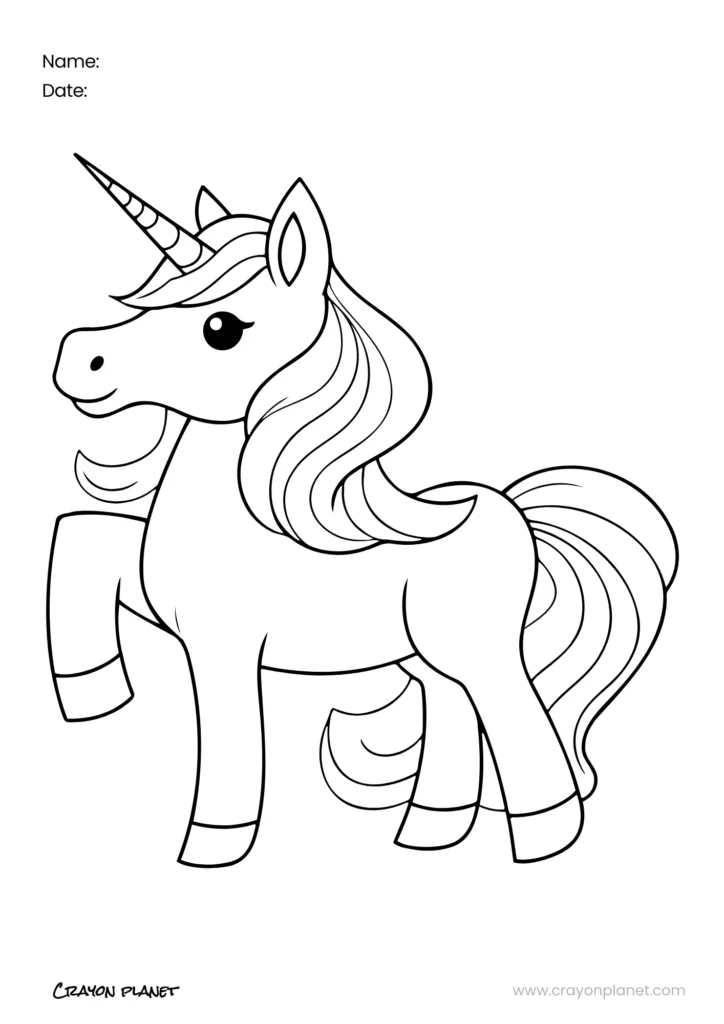
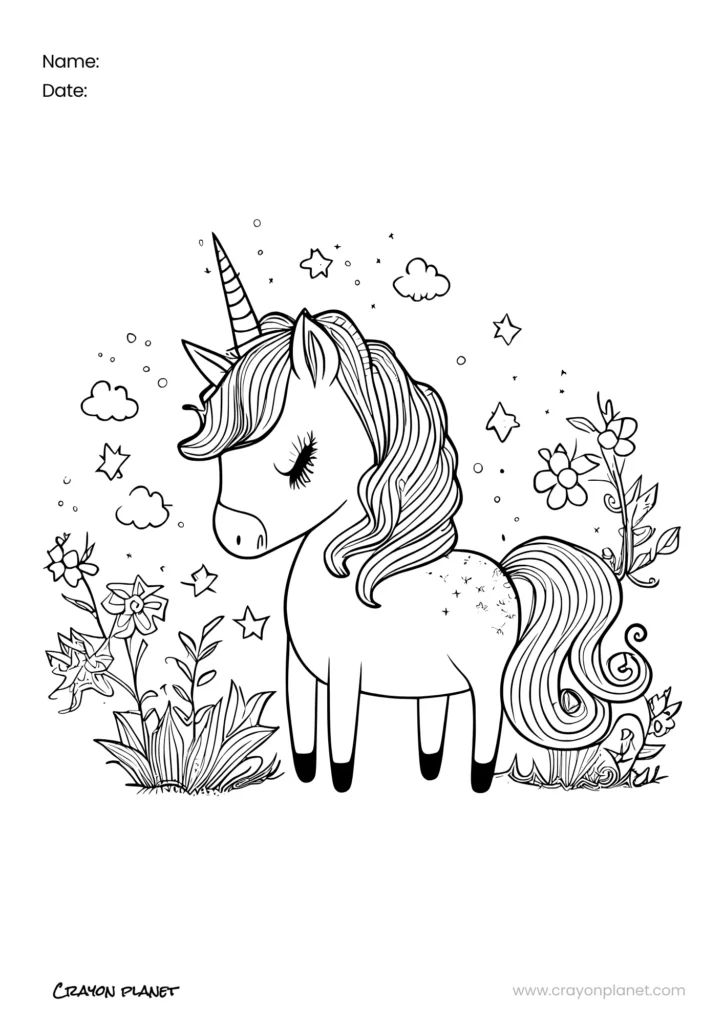
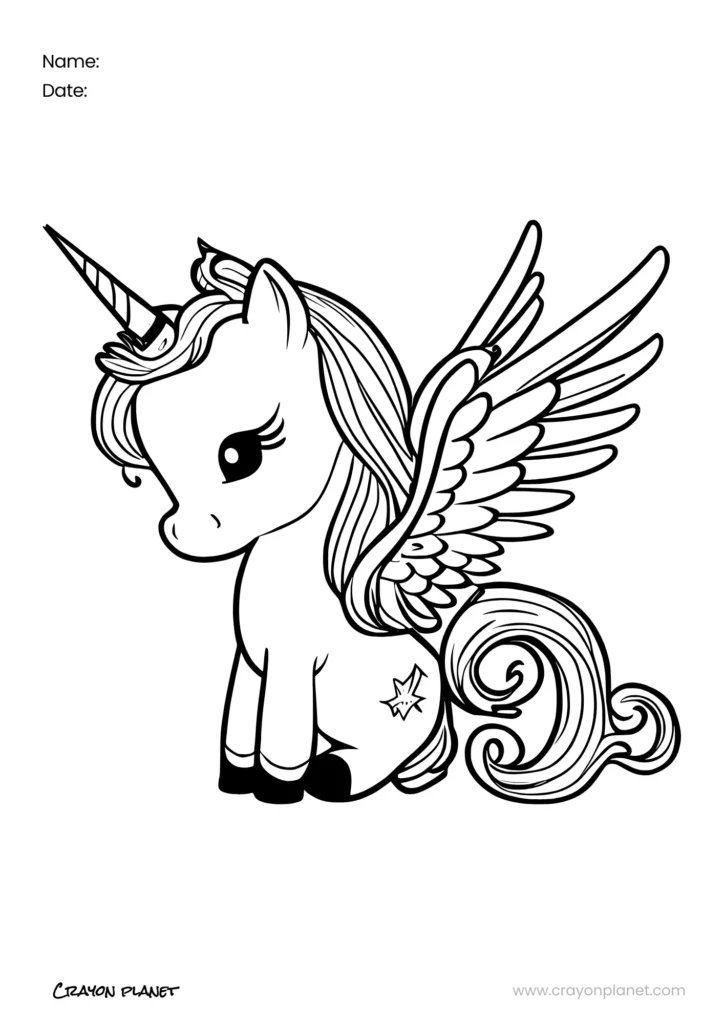
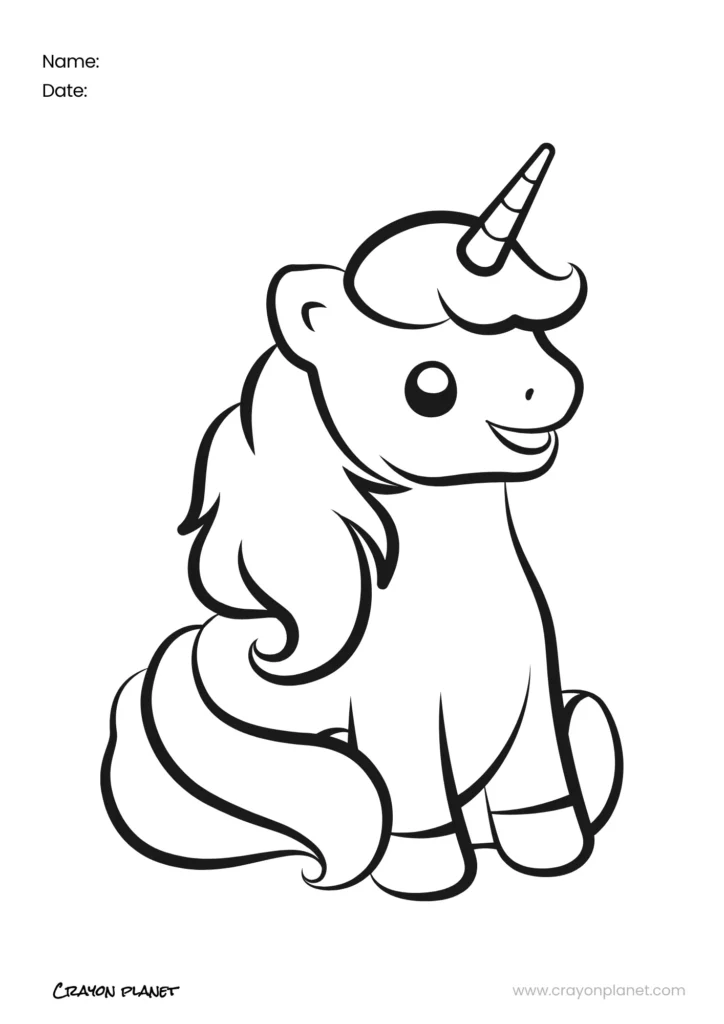
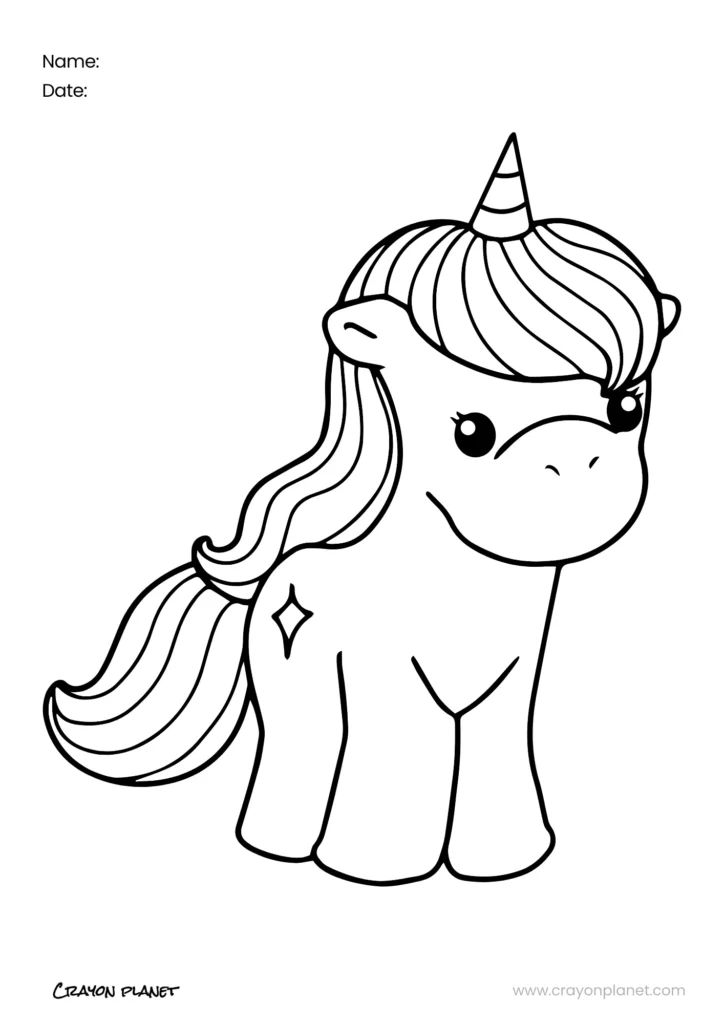
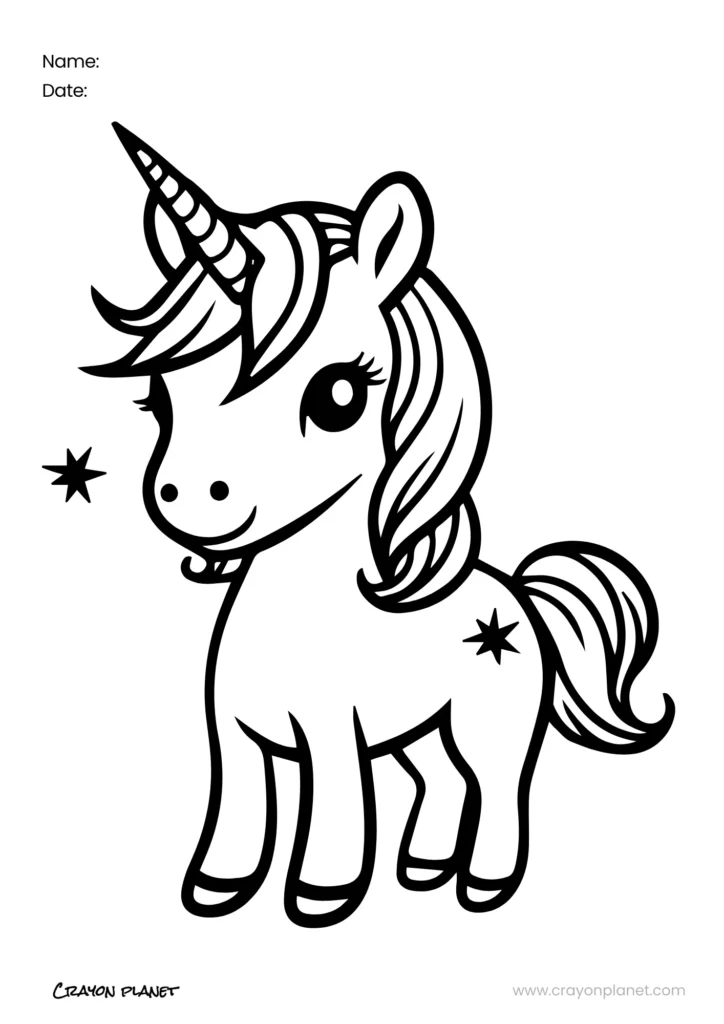
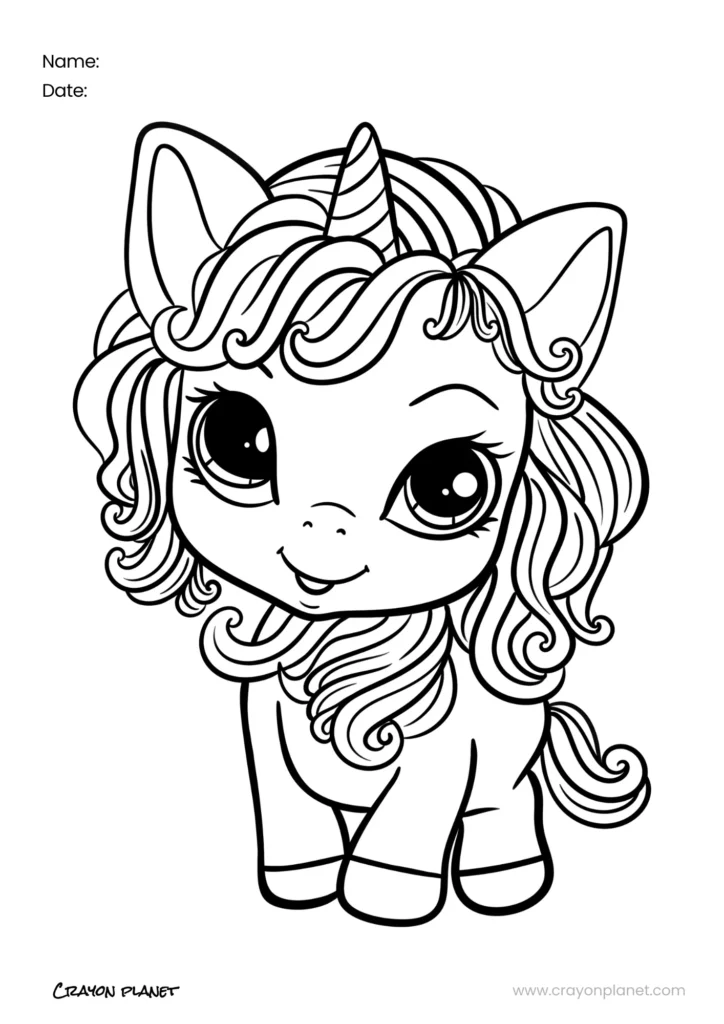
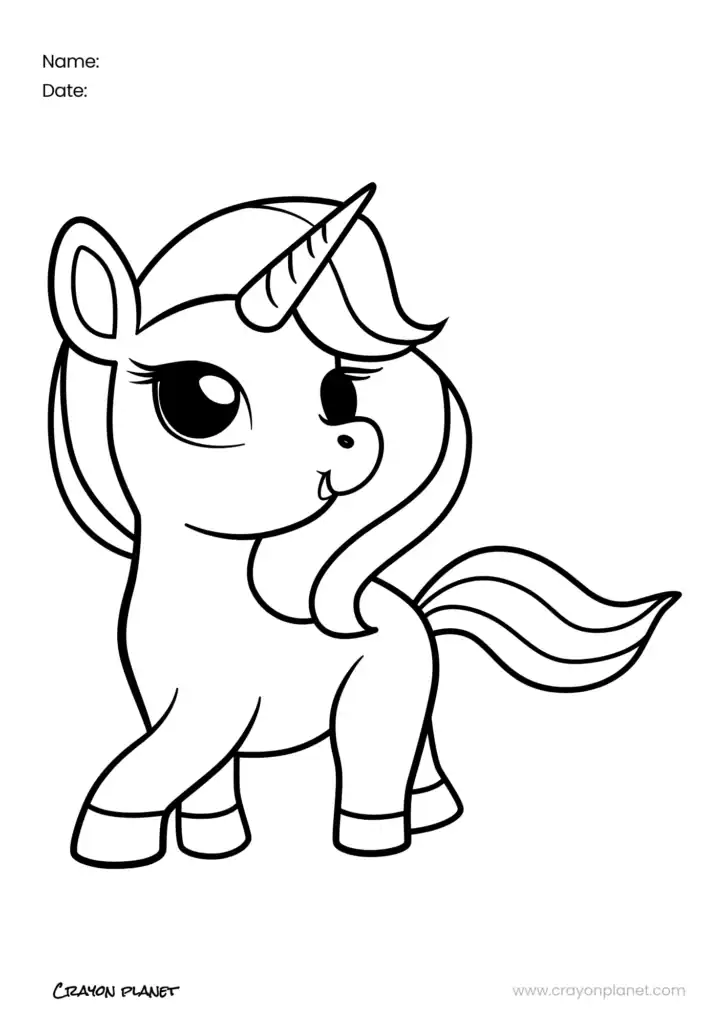
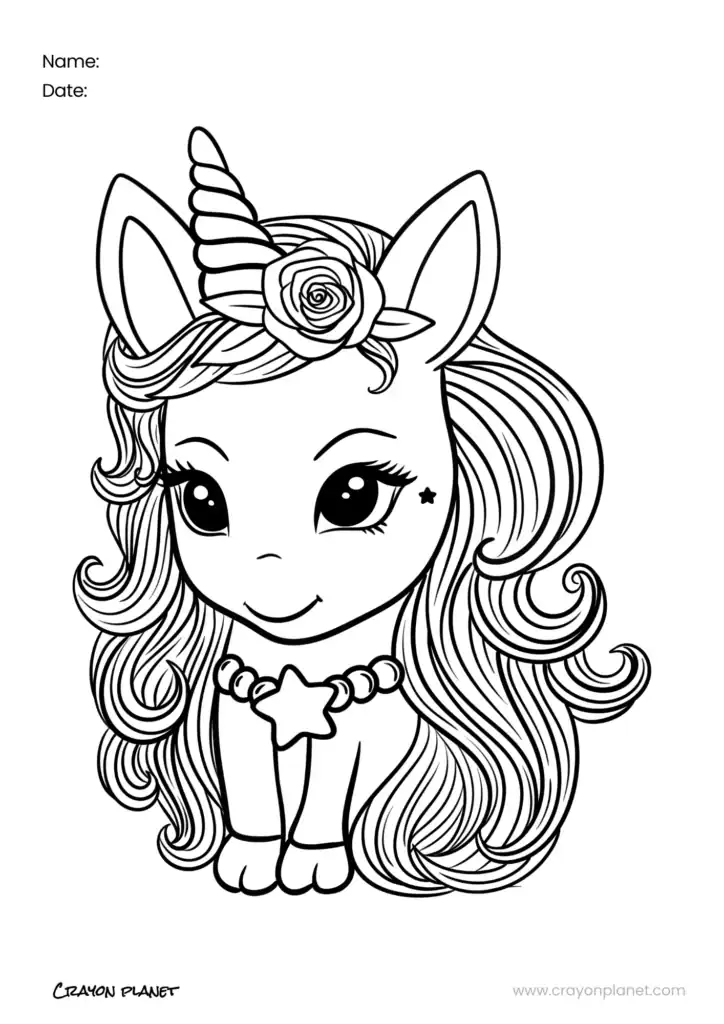
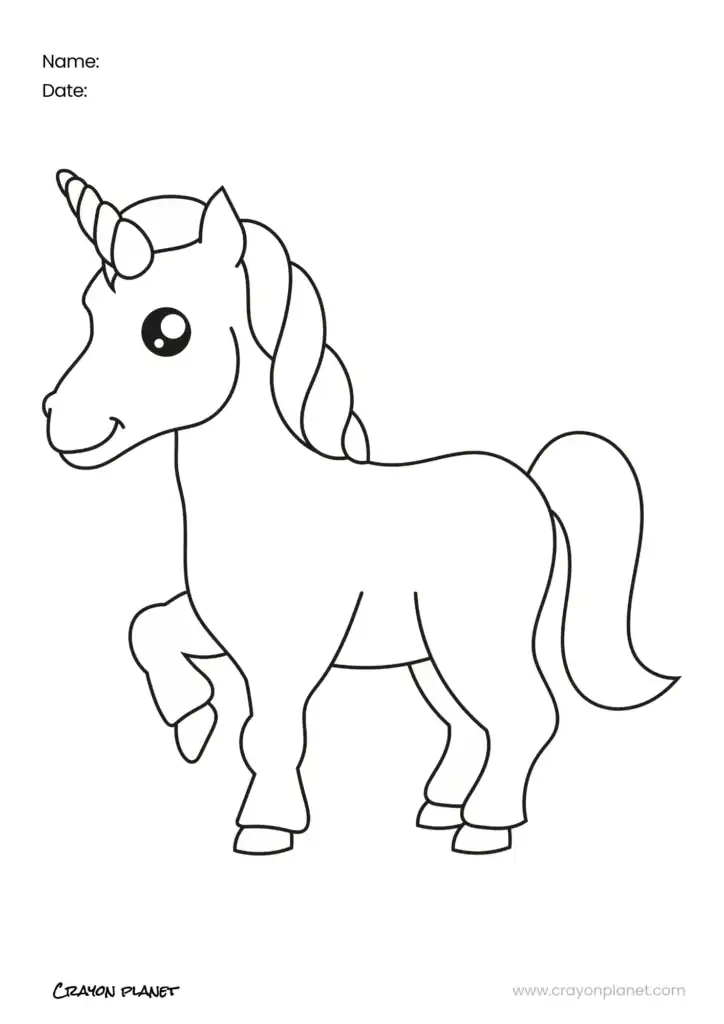
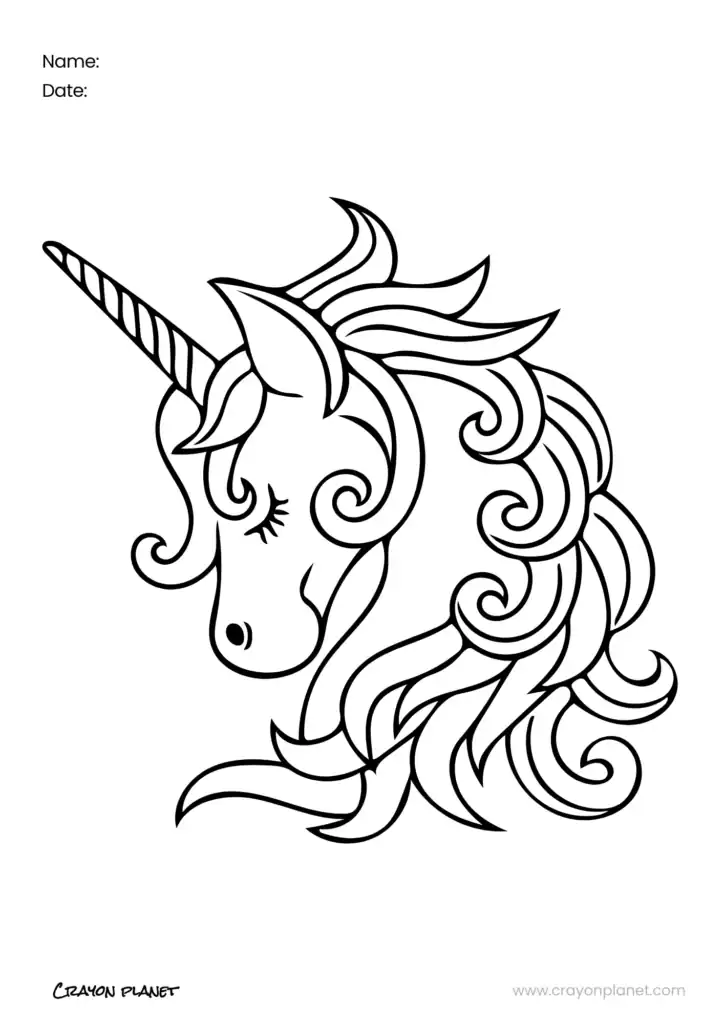
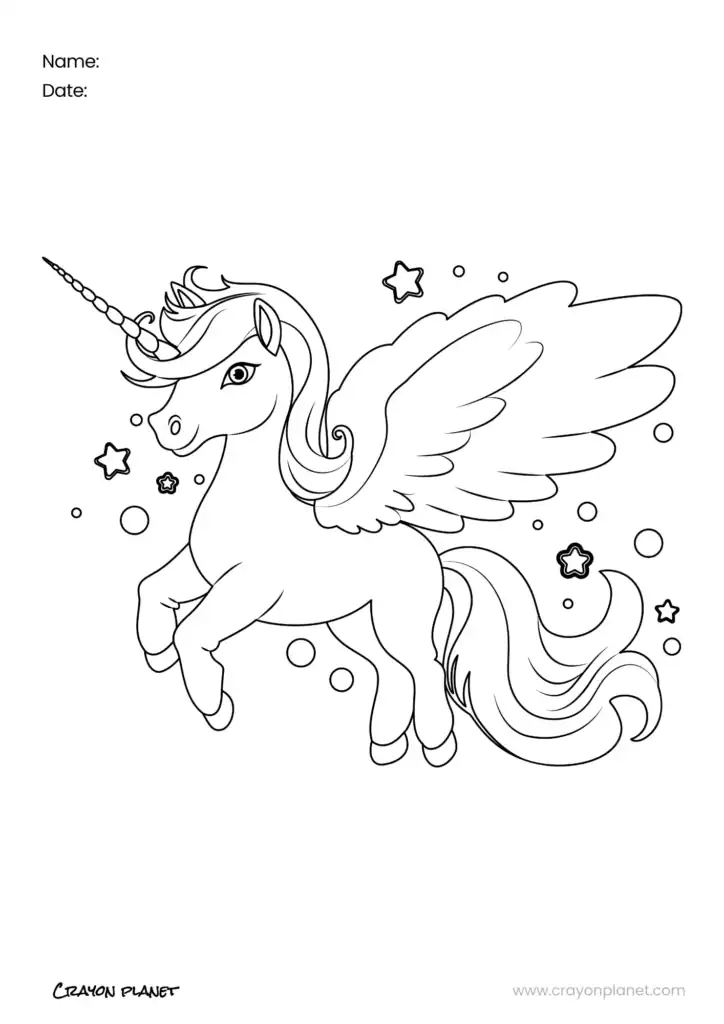
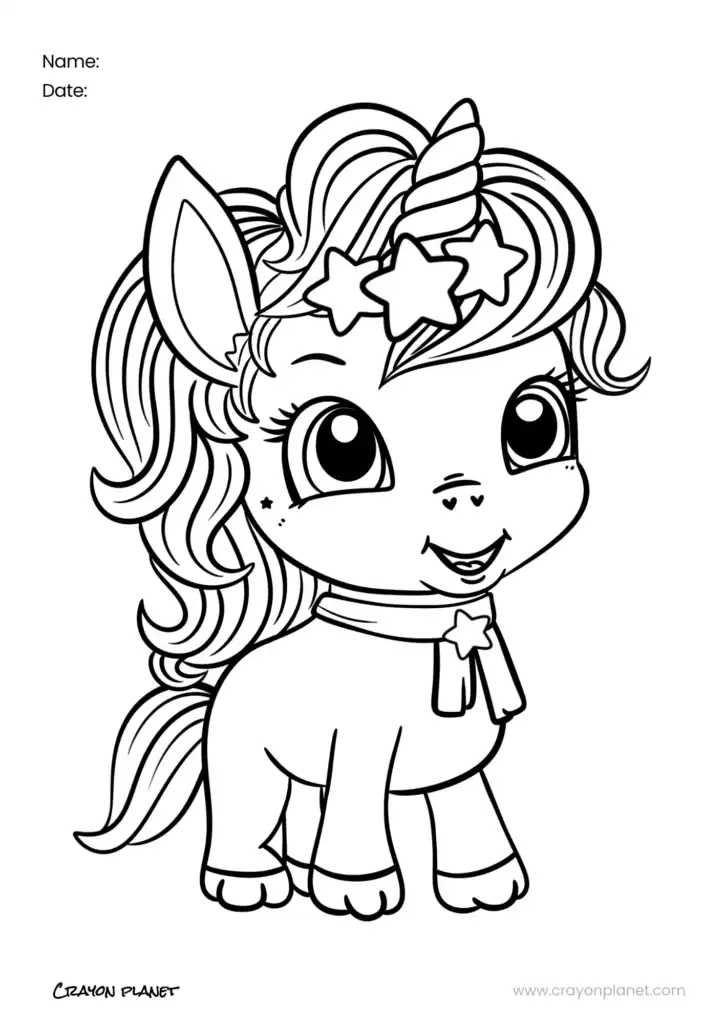
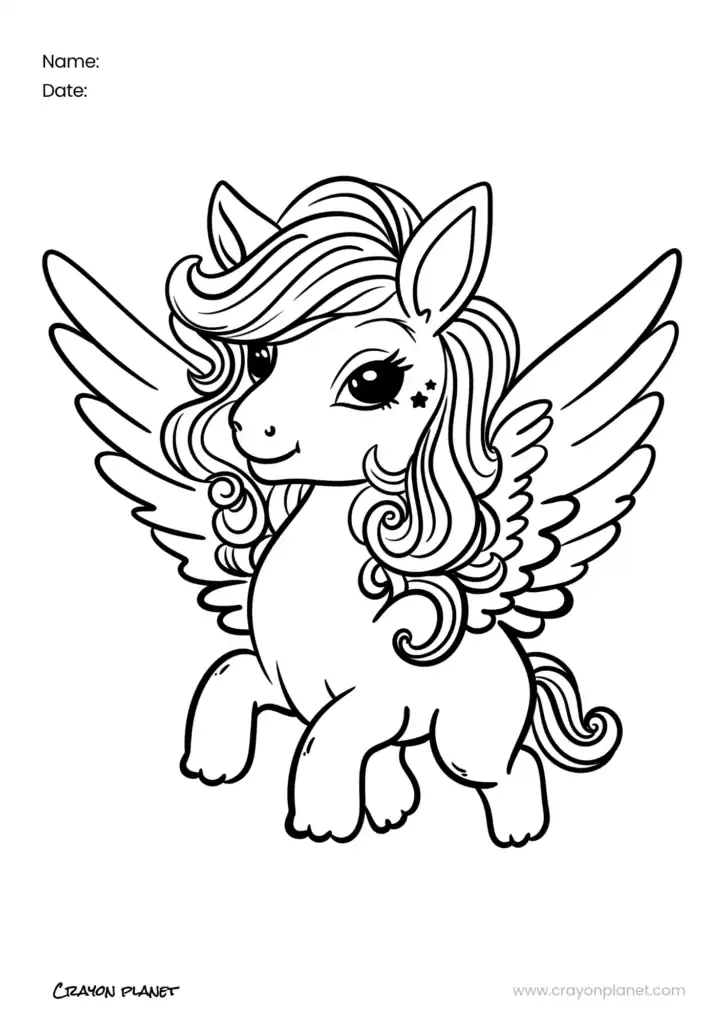
Unicorn Coloring Pages
Unicorns are magical, timeless, and endlessly fascinating. They’re creatures of legend that capture the imagination of children and adults alike. Whether it’s through books, movies, toys, or art, unicorns symbolize purity, creativity, and wonder. One of the simplest yet most effective ways to bring unicorn magic into daily life is through unicorn coloring pages.
Coloring a unicorn is more than just filling in lines—it’s about giving life to a mythical creature using your own colors, patterns, and imagination. From rainbow manes to sparkling horns, unicorn coloring page allow kids to unleash creativity in ways that go far beyond ordinary coloring sheets.
In this complete 6,000-word guide, we’ll cover everything you need to know about unicorn coloring page—their benefits, the types available, how to use them for fun and learning, and even how to create your own. Whether you’re a parent looking for weekend activities, a teacher seeking classroom resources, or simply a unicorn lover, this guide is your one-stop resource.
Table of Contents
ToggleThe Magic of Unicorns
Unicorns have fascinated people for centuries. Ancient myths describe them as rare, pure creatures symbolizing innocence and magic. Today, unicorns are everywhere—from birthday party themes and backpacks to cartoons and books.
Unicorn coloring page capture that timeless fascination in a simple yet powerful way. Children don’t just color a horse—they color a legendary creature with a horn, often accompanied by rainbows, stars, and fairy-tale landscapes. Each unicorn coloring page becomes a personal piece of fantasy art.
Why Kids Love Unicorns?
Unicorns have universal appeal, but they hold a special place in children’s hearts. Why?
Magic and Fantasy: Kids naturally love make-believe. Unicorns embody a magical world beyond ordinary reality.
Colors and Rainbows: Unicorns are often associated with bright, vibrant colors, which attract young children.
Friendship and Positivity: In modern culture, unicorns are symbols of kindness, happiness, and friendship.
Relatability: A unicorn can be anything—a loyal pet, a best friend, or a hero in imaginary stories.Unicorn coloring page tap into these emotions, making them instantly exciting and engaging.
Unicorn coloring page blend fantasy with creativity. They’re magical, versatile, and beneficial for both children and adults. From calming anxiety to building motor skills, unicorns do more than spark imagination—they bring joy.
Whether printable, digital, DIY, or part of a coloring book, unicorn coloring page are here to stay. They’re proof that magic, creativity, and learning can come together on a simple sheet of paper.
Benefits of Unicorn Coloring Page
Coloring unicorns isn’t just fun—it’s beneficial for children’s development.
Creative Expression
Children can experiment with different colors and patterns—pink unicorns, rainbow horns, glittering tails. This freedom fuels imagination and artistic growth.
Fine Motor Skill Development
Holding crayons, pencils, or markers strengthens hand muscles. Coloring detailed unicorn coloring page manes or small stars improves control and coordination.
Focus and Patience
Unicorn coloring page, especially detailed ones, teach children to concentrate for longer periods. Staying inside the lines requires careful attention.
Emotional Well-Being
Coloring has a calming effect. Unicorns, often drawn with smiling faces or in peaceful settings, reinforce positive emotions and reduce stress.
Educational Value
- Counting stars, flowers, or patterns.
- Learning about symmetry in unicorn designs.
- Developing storytelling skills by imagining adventures for the unicorn.
Social and Family Bonding
Parents, siblings, and friends can color unicorn coloring page together, turning it into a cooperative, joyful activity.
The Story and History of Unicorns
Unicorns are among the most enchanting and mysterious creatures in human mythology, celebrated across cultures for their beauty, purity, and magical powers. Often depicted as horse-like creatures with a single, spiraling horn on their forehead, unicorns have captured the imagination of children, artists, and storytellers for centuries.
Ancient Origins
The earliest references to unicorns date back thousands of years. Ancient civilizations, including Mesopotamia, India, and China, told stories of single-horned animals with mystical qualities. In these cultures, unicorns were often considered symbols of purity, strength, and divine protection. Some historians suggest that sightings of real animals, like the Indian rhinoceros or the oryx, may have inspired early unicorn myths.
Unicorns in Mythology and Literature
In Greek literature, unicorn-like creatures appear in the writings of historians such as Ctesias, who described an animal in India with a single horn that was both powerful and magical. In medieval Europe, unicorns became deeply symbolic. They were often associated with innocence and grace and were thought to be untamable except by a pure-hearted maiden. The unicorn’s horn, called the alicorn, was believed to have healing properties and the power to neutralize poison.
Unicorns also appear in religious texts and allegories. In Christian symbolism, the unicorn often represented purity, the Virgin Mary, and the power of goodness. Tapestries, paintings, and manuscripts from the Middle Ages frequently featured unicorns as a sign of hope and spiritual virtue.
Unicorns in Asian Cultures
In China, a creature similar to the unicorn, called the Qilin, is considered a symbol of good luck, prosperity, and peace. Unlike the Western unicorn, the Qilin often has a dragon-like body, hooves, and a single horn, and is thought to appear during the reign of a wise and just ruler.
Modern Representation
Today, unicorns are beloved worldwide as symbols of magic, creativity, and wonder. They appear in children’s books, movies, toys, and coloring pages, inspiring imagination and joy. The modern unicorn has transformed into a friendly, approachable character, often depicted in bright colors and glittery designs, making it perfect for educational and playful activities for kids.
Fun Facts About Unicorns
- The word “unicorn” comes from the Latin “unicornis”, meaning “one horn.”
- In medieval times, unicorn horns were highly prized and sometimes thought to be from real unicorns, often sold as “alicorns” in markets.
- Unicorns are often considered symbols of purity, magic, and healing in many cultures.
- Today, unicorns are a staple of pop culture, featured in movies, toys, and games, appealing to both children and adults.
The unicorn’s story is a beautiful blend of myth, history, and imagination. From ancient legends to modern-day unicorn coloring page, unicorns continue to symbolize wonder, creativity, and purity. By exploring unicorn stories, children not only enjoy magical adventures but also learn about cultural history and timeless symbolism.